I didn't come to the Dainichi Koi Farm as a customer, but as a harvest helper. Two weeks turned into many years.
Hirata, Dainichi's foreman at the time.
en縁
A young Dutchman
At the time, a very young European was working at Dainichi: Bram. He was studying aquaculture in Wageningen and spent his nine-month internship on the farm. In his last week we got to know each other better, and he asked me whether I could drive him around the area a little.
I had a Japanese driving licence and some free time. For years I had accompanied German dealers on their buying trips through Japan, as driver and interpreter, from breeder to breeder, right through to the freight and handing out the koi boxes at Frankfurt Airport. The next of these trips didn't start for another fortnight. So we set off at the weekend. I showed Bram other breeders too, and we helped them with their harvests. Smaller breeders perhaps appreciate that even more than the very large farms.
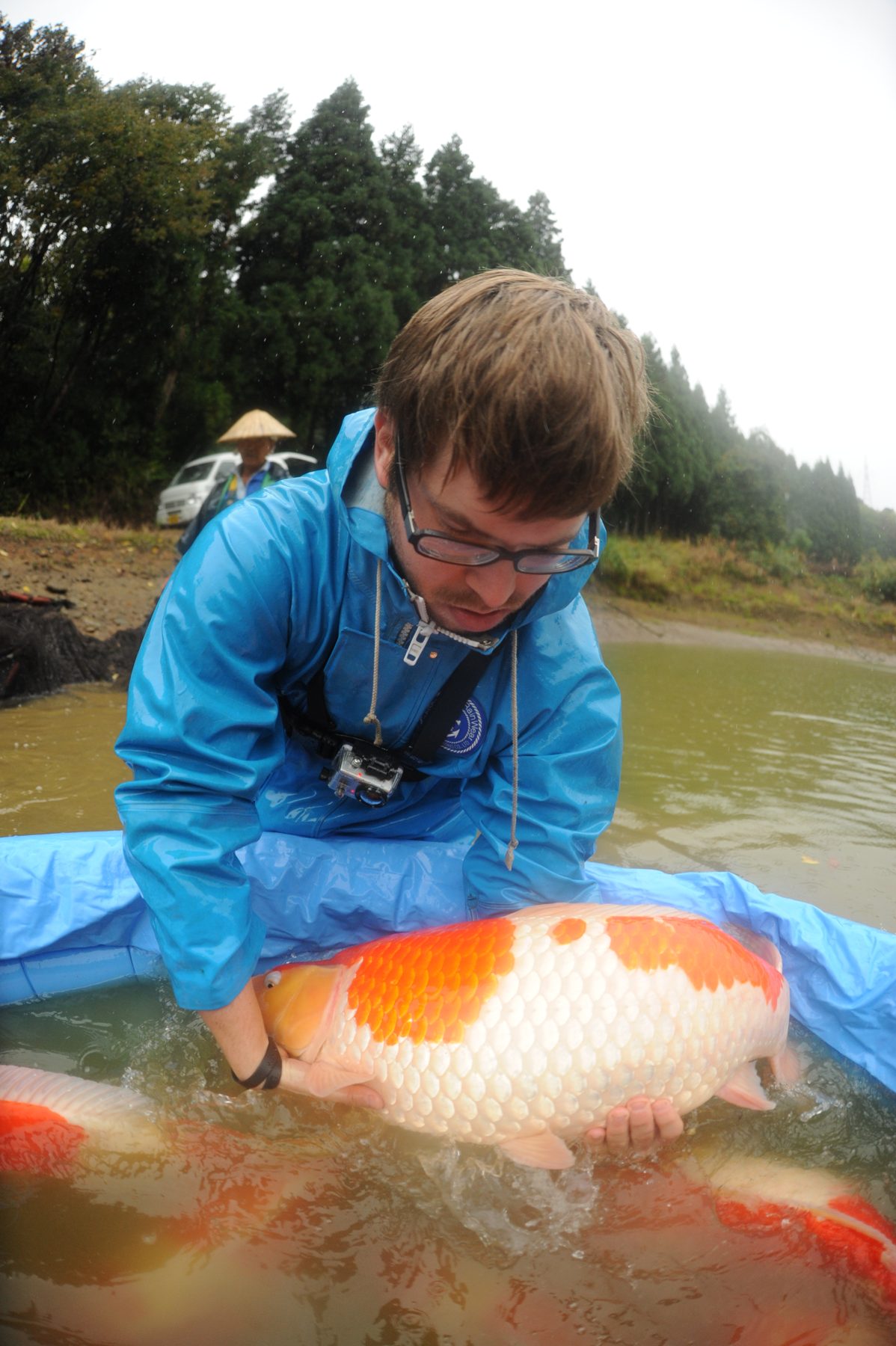
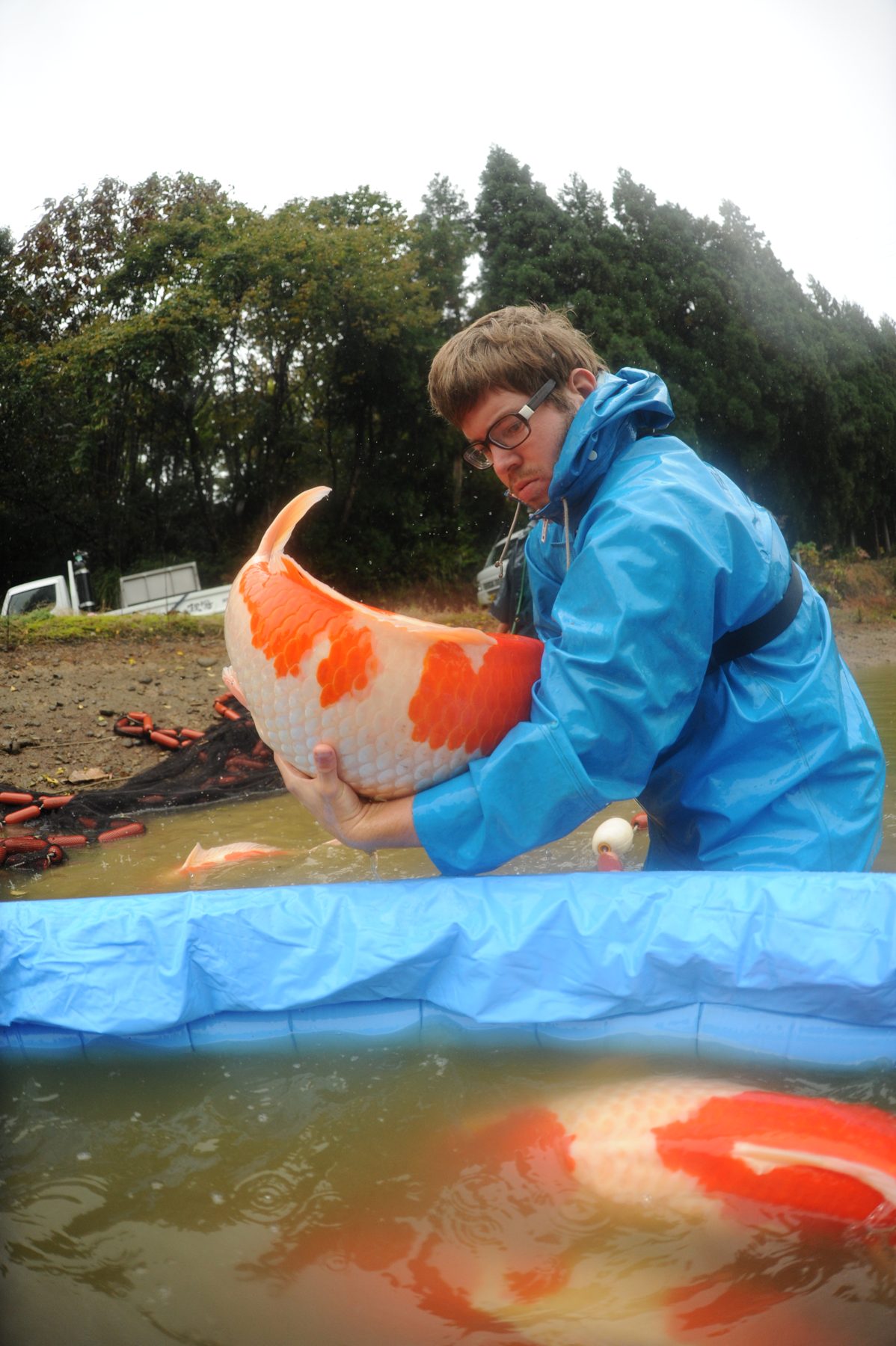
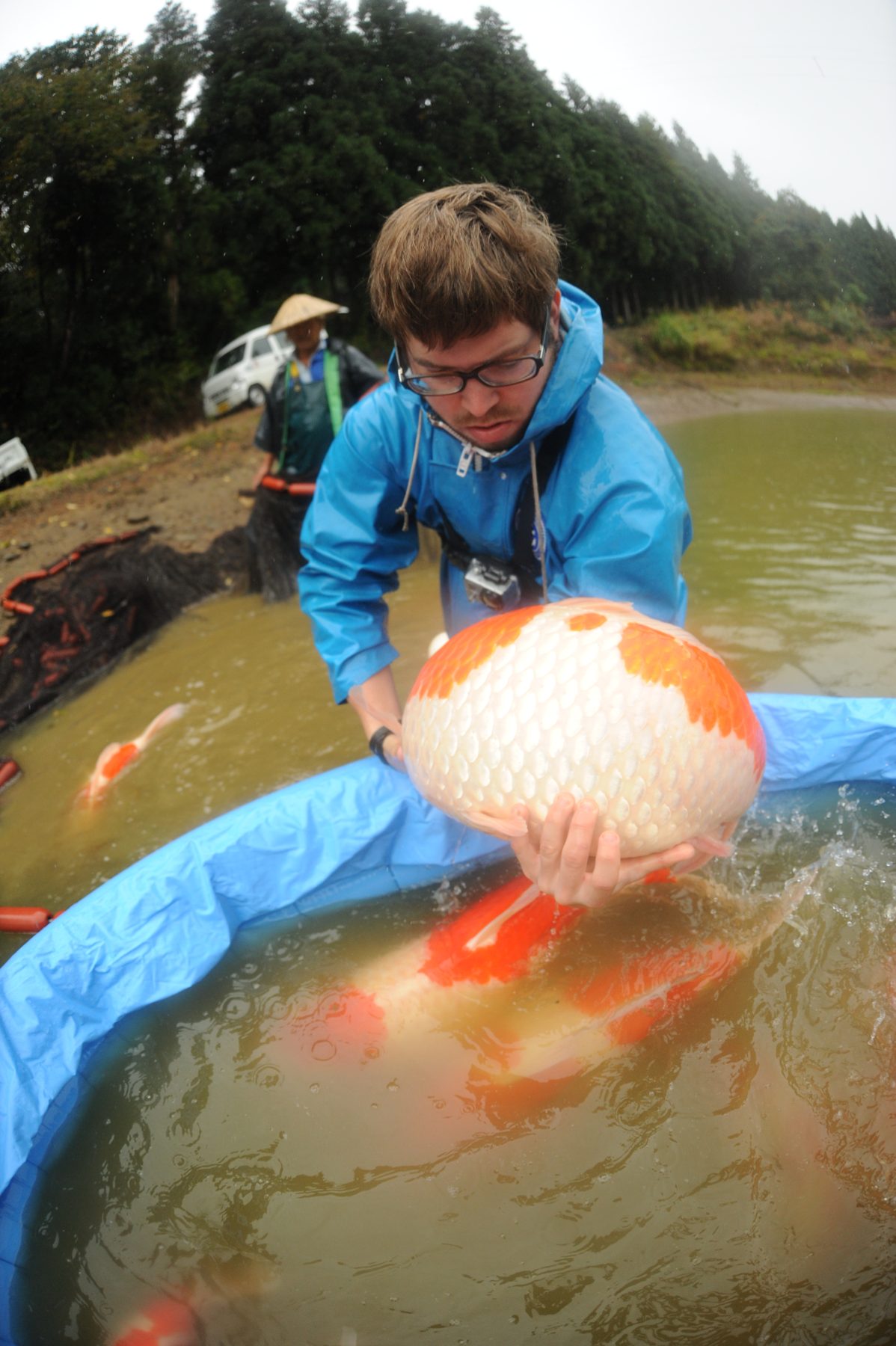
Then Bram asked: on Monday he would be harvesting a big pond of large Kohaku together with Hirata, the foreman. Did I fancy helping? Of course, obviously.
Bram at the Kohaku harvest. In the first picture, Hirata stands at the net in the background.
I knew how to handle the seine net and large fish from Torazo; the routines were familiar. It worked brilliantly. The next day I was there again, and the day after that. Then Bram's internship ended, but I stayed: every morning over to Dainichi, assigned by Hirata, onto the trucks, at the ponds. I made friends with the staff along the way.
Bram's last week as an intern turned into a friendship. To this day he is one of my best friends, and there is hardly anyone I enjoy exchanging ideas with more. Today he is production manager at Kingfish Zeeland in the Netherlands.
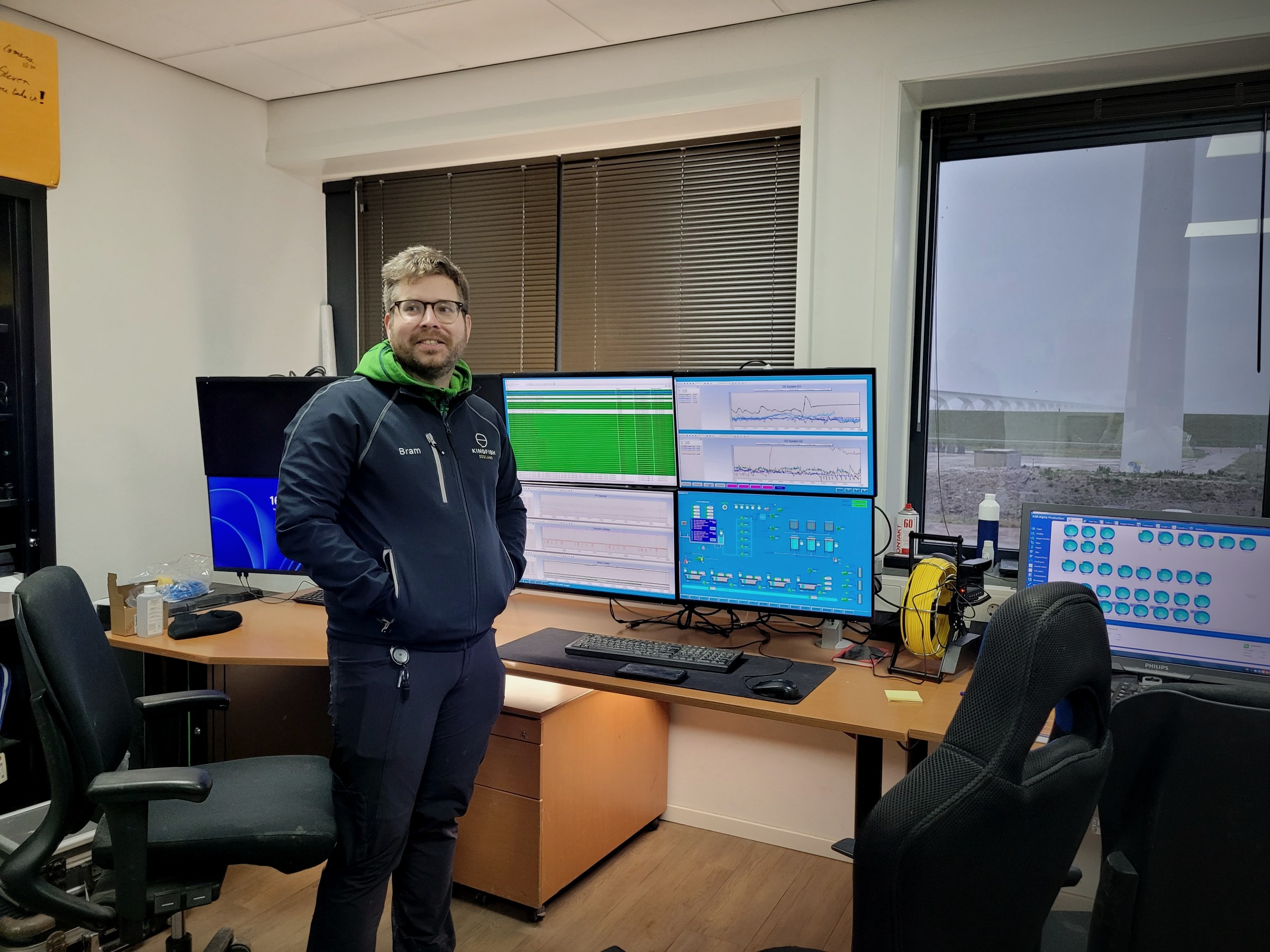
Bram today, in the control room at Kingfish Zeeland, January 2024.
After those fourteen days, Shigeru and Futoshi Mano stood in front of me: "Who are you, anyway? And what makes you come and help us every day? You're doing a great job. Look, we're going to give you something for it." I was given a two-year-old fish, a Nisai.
And an invitation: if I had time again the following year – the harvest started on 15 October – would I join in for six weeks? That's exactly what I did, and for years afterwards. I tried to make myself more and more indispensable, and it worked. That's how the relationship came about.
15.10.–15.11.
This was when the ponds at Dainichi were harvested.
6 weeks
That's how long I was to help in the second year, and that's how I did it for years afterwards.
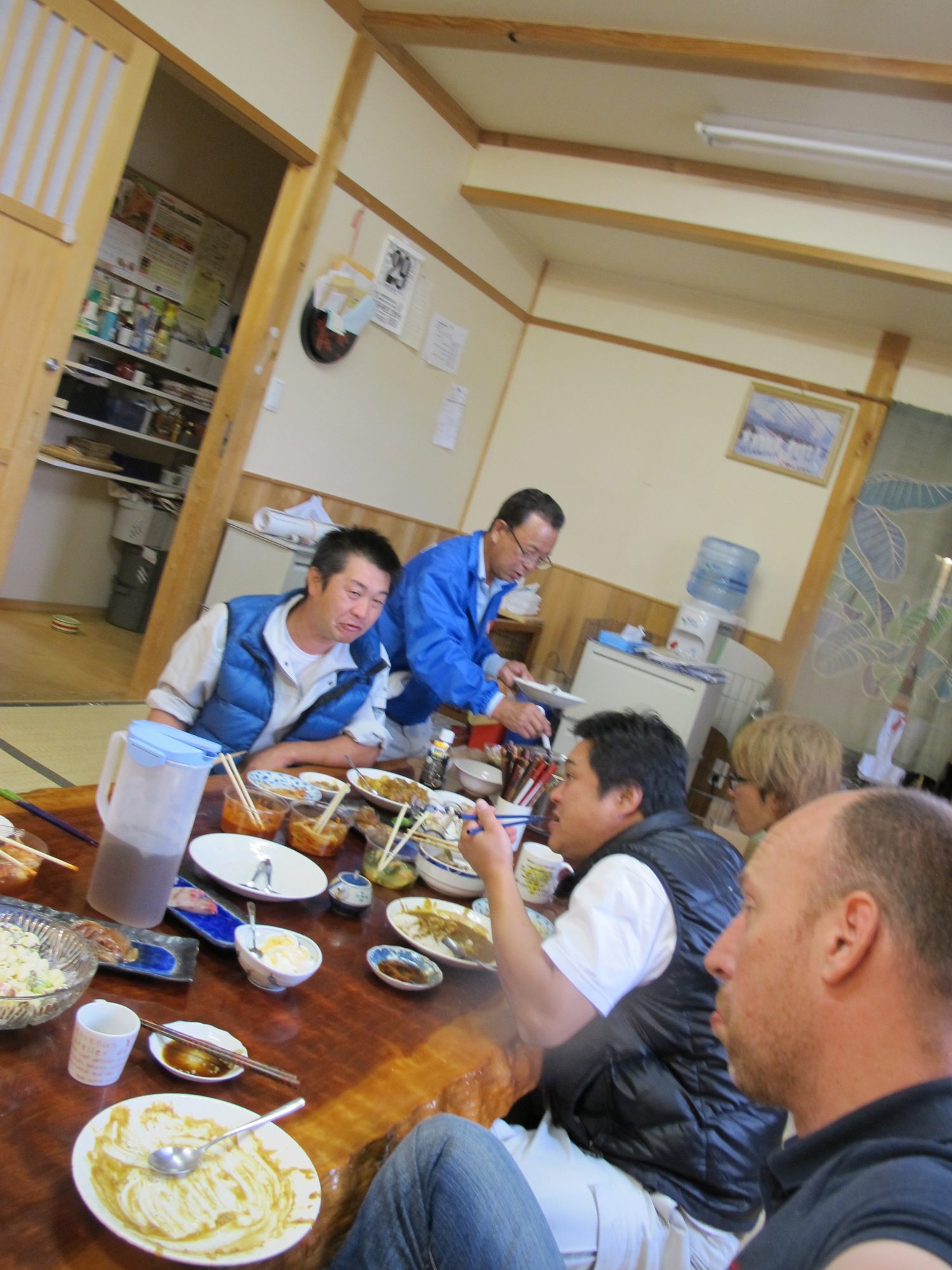
Lunch on the farm.
When the dining room becomes a dormitory
At half past five we went out to the ponds, then together to the main house for breakfast, back out again, and back at midday to eat. After lunch there was an hour's break, and the whole dining room turned into a dormitory. The Japanese lay down on the floor, and so did I, sometimes next to Shigeru, among the staff.
That really is an extraordinary feeling of closeness and familiarity.
"That's how you become one of them."
In the years that followed I had my own room in the staff quarters, which I could move into whenever I was in Japan, and usually a car as well. I helped young interns who did their internship with us to settle in: finding a flat, knowing where to shop, how to behave in Japan. It was a wonderful time, interrupted only by Covid.
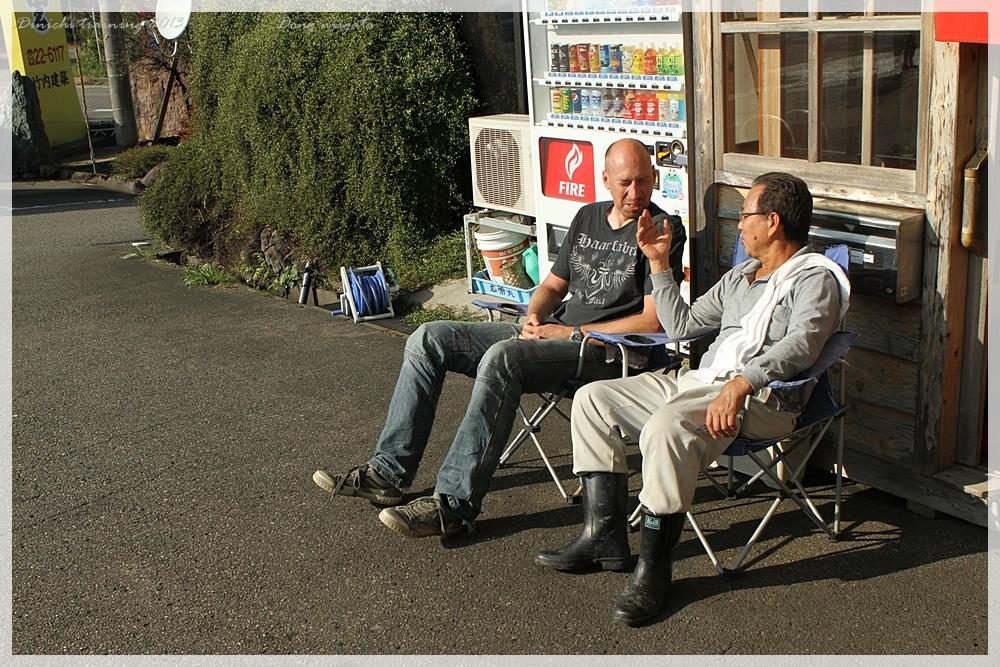
A break with Hirata.
kioku記憶
The house that is no longer there
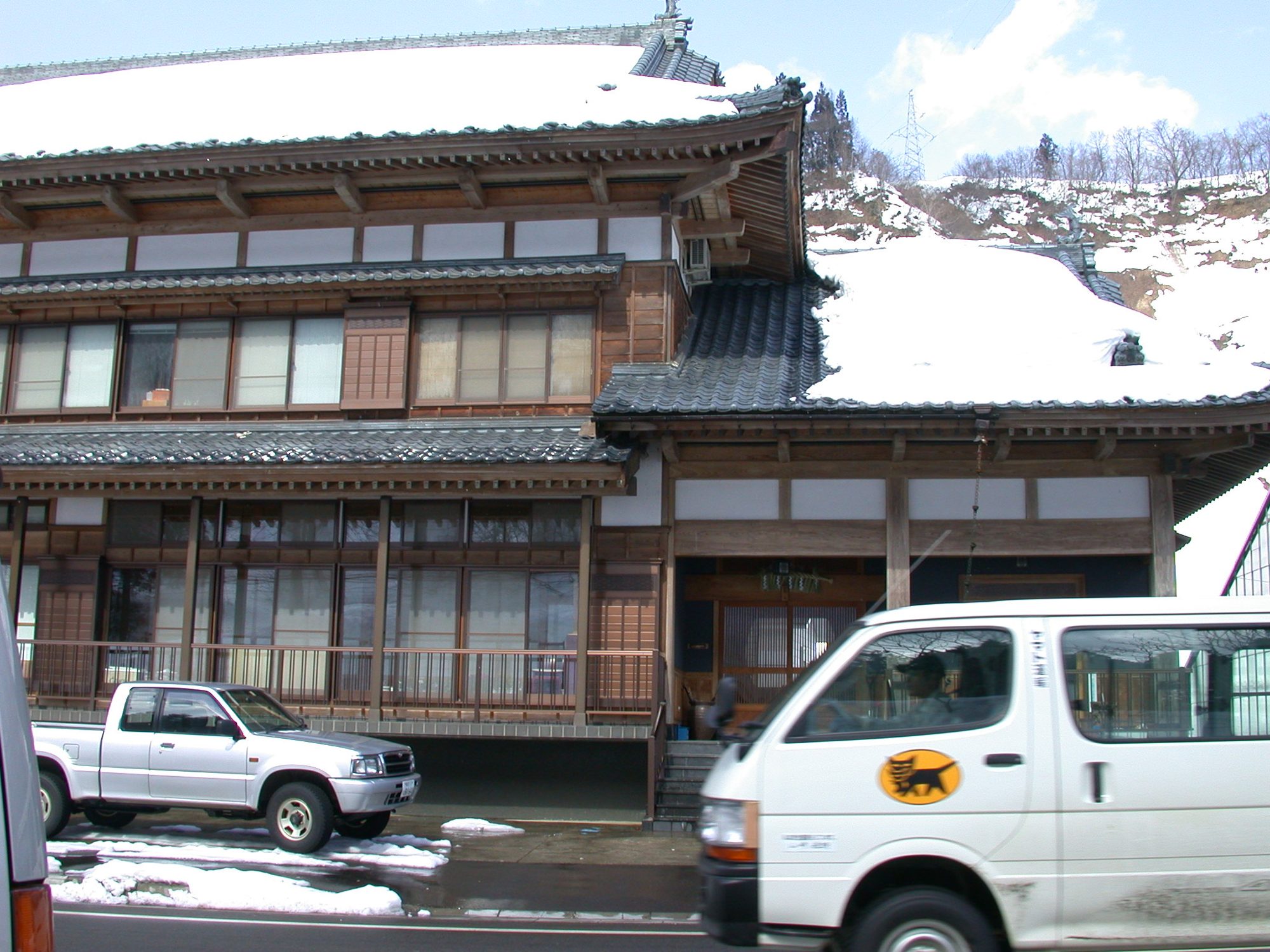
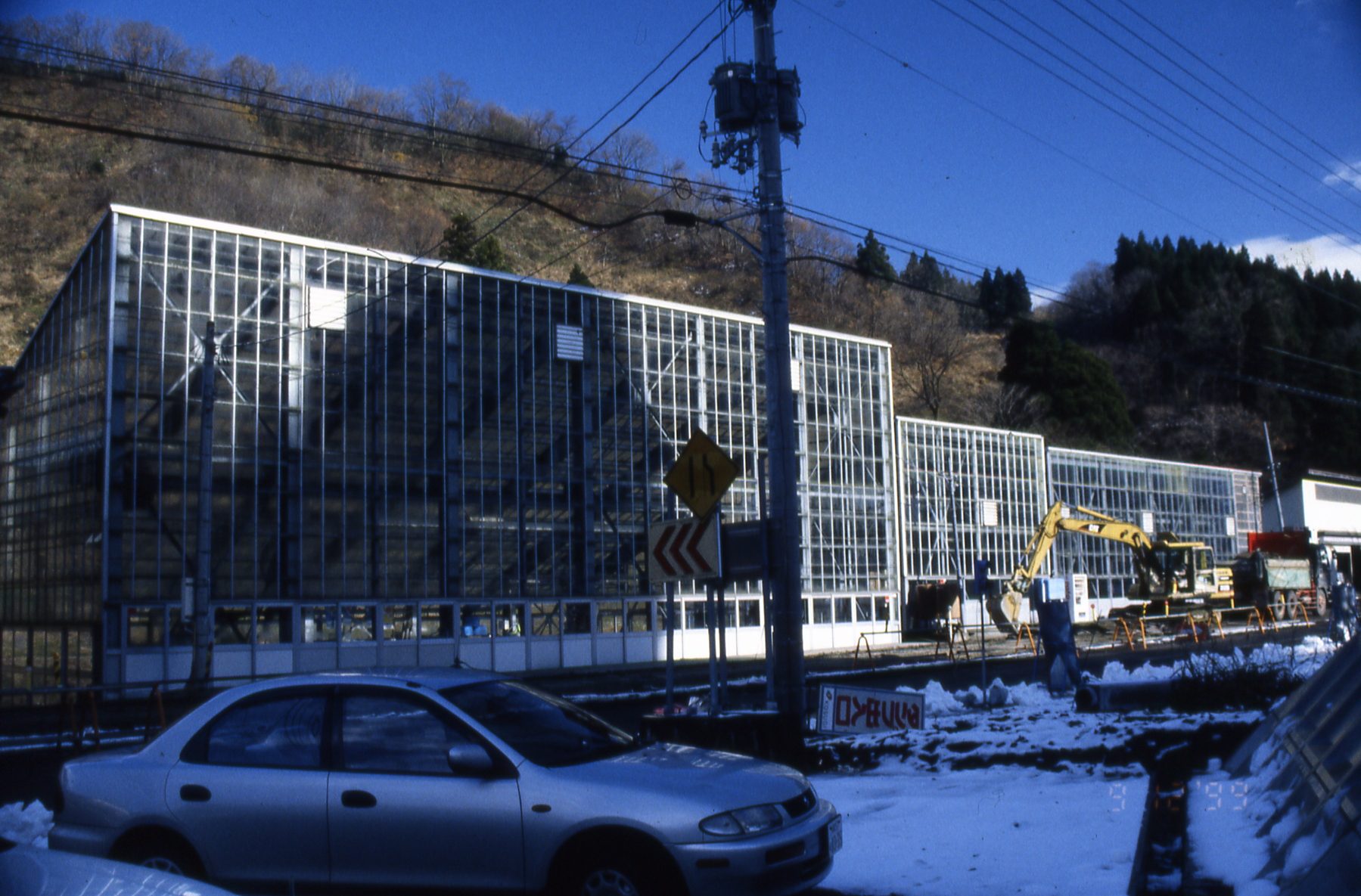
My pictures from that time show a Dainichi you can no longer visit. The large glasshouse from back then still stands, the main house does not. After the Chūetsu earthquake of 2004, a government commission went through the mountain region around Yamakoshi and assessed the damaged houses: was the structure still sound, did everything still work, which house had to be demolished and which not?
Many very old, much more simply built wooden houses stand there. Quite a few of them survived the quake or were allowed to remain. The Mano family's house in Iwamaki, by contrast, was an exceptionally fine house, almost a small castle.
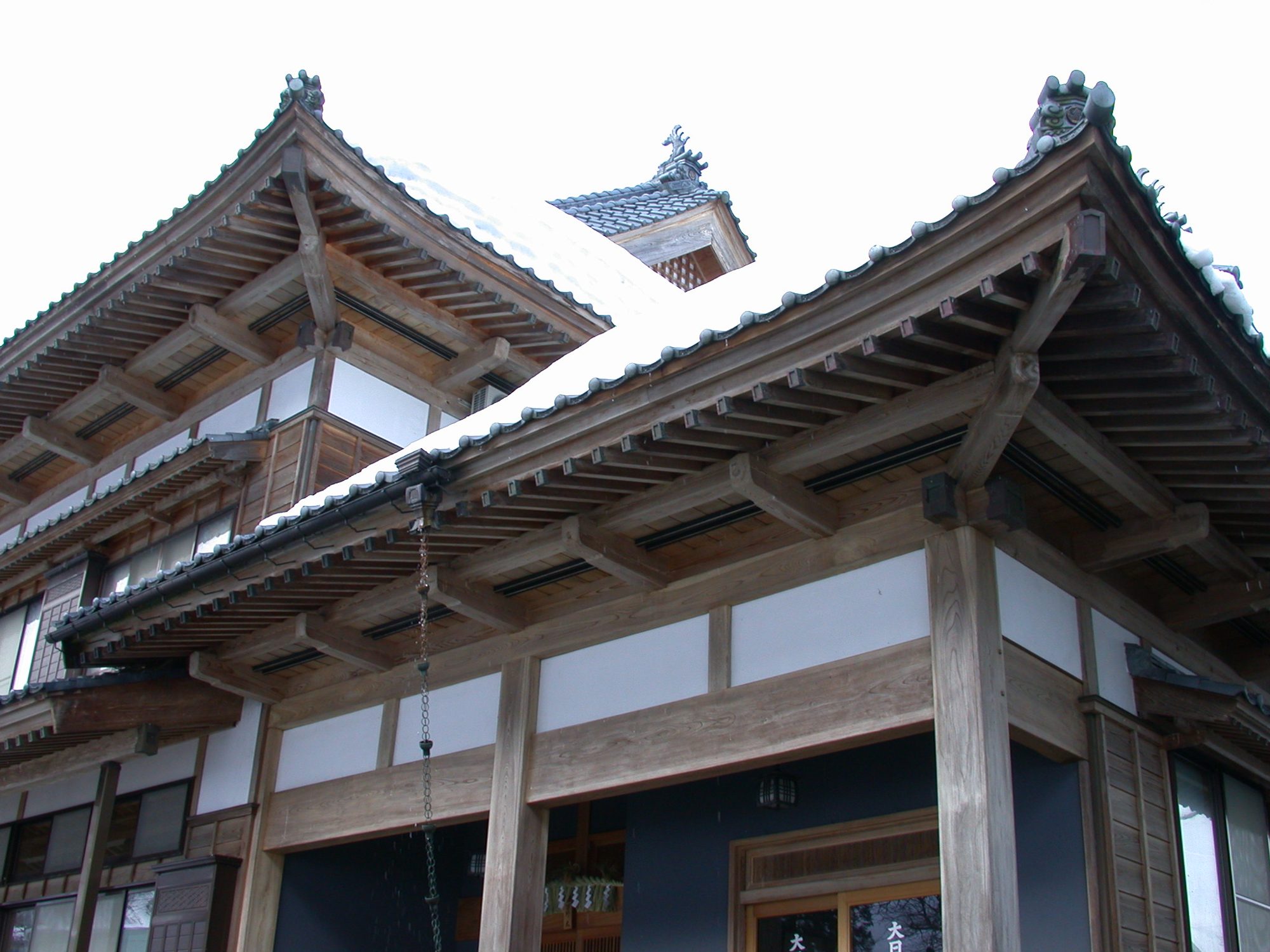
This house was a statement. With its staggered roof levels and its load-bearing beams stacked layer upon layer, it told everyone who stood in front of it: here lives number one. We win the great Shinkokai shows, we have the best fish, nobody gets past us. And of course it also showed the commercial success.
It was precisely this house that was given the demolition sticker after the quake. The decisive factor was probably its proximity to the stream bed running behind the house.
I saw the house after the earthquake, and to me it looked completely intact. The wooden sliding doors, which should have been the first to warp, slid open and shut perfectly well, and the frames and the house itself didn't seem distorted to me either. The heavy concrete foundation the house stood on is still there today. To this day I don't believe the house had to be demolished. A house unlike any other in the whole area simply isn't admired by everyone. But that is my view from the outside.
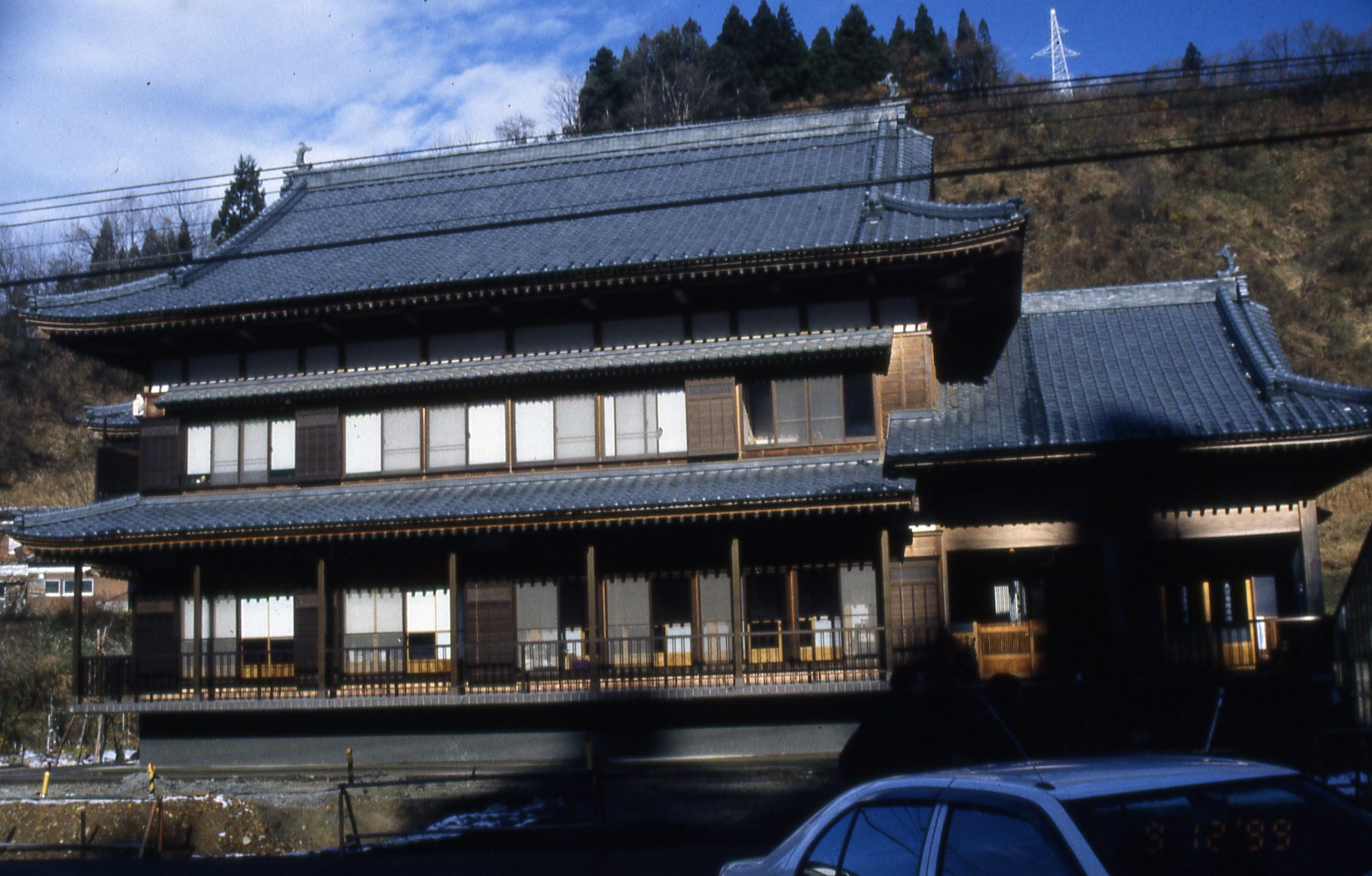
The Mano family house, December 1999.
The same house in winter, before the earthquake.The roof beams above the entrance: beam upon beam, level upon level.
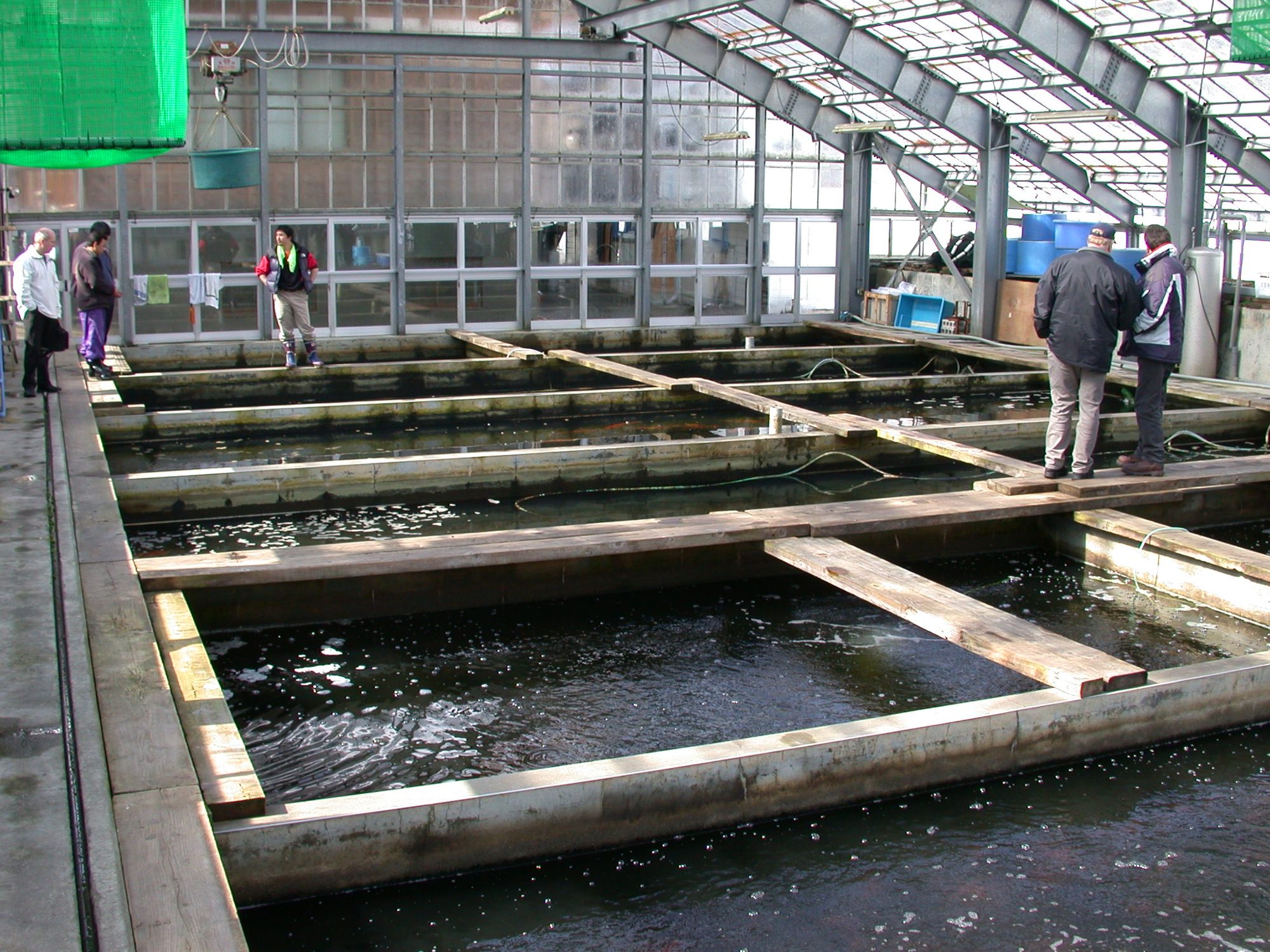
The glasshouse, December 1999.Inside: the concrete tanks with the wooden walkways.
To Thailand with Dainichi
There was already a connection with Dainichi, through a very old contact: Takehiro Furuya, who had driven me around on my very first trip to Japan when he was nineteen. Years later I met him again at Dainichi, as agent for Thai hobbyists and dealers. In Thailand people knew my name, because my books from Koi Concept Verlag had been translated into English. "You sign a few autographs and write in the books – they know you," said Furuya. So in 2010 we flew to Bangkok, the first few days with Shigeru Mano.
At the airport a man was waiting with a sign bearing my name, and outside a limousine with a chauffeur. We both sat in the back, he handed out drinks and told me he was the Asian Brad Pitt and his wife the Asian Angelina Jolie. I laughed along and thought: sure, tell me another one. Until at a traffic light a big articulated bus pulled up, covered with a film poster – and on it was his face. I looked at the bus, at him, at the poster, at him: he hadn't been pulling my leg at all. It was the actor Willie McIntosh.
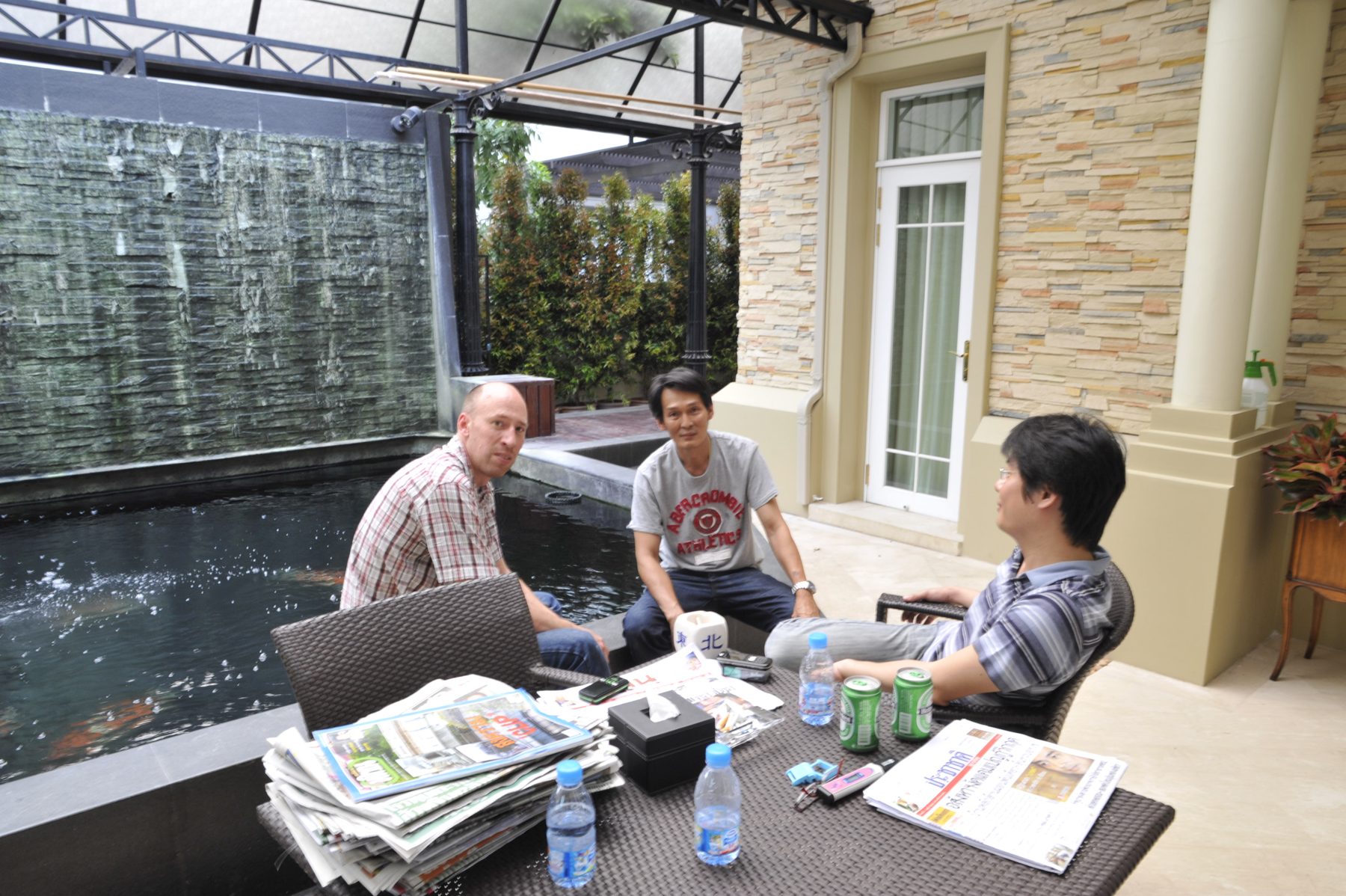
At the koi pond in Bangkok, 2010: me (left), Tepsit Rojratanadumrong (centre) and Takehiro Furuya (right).
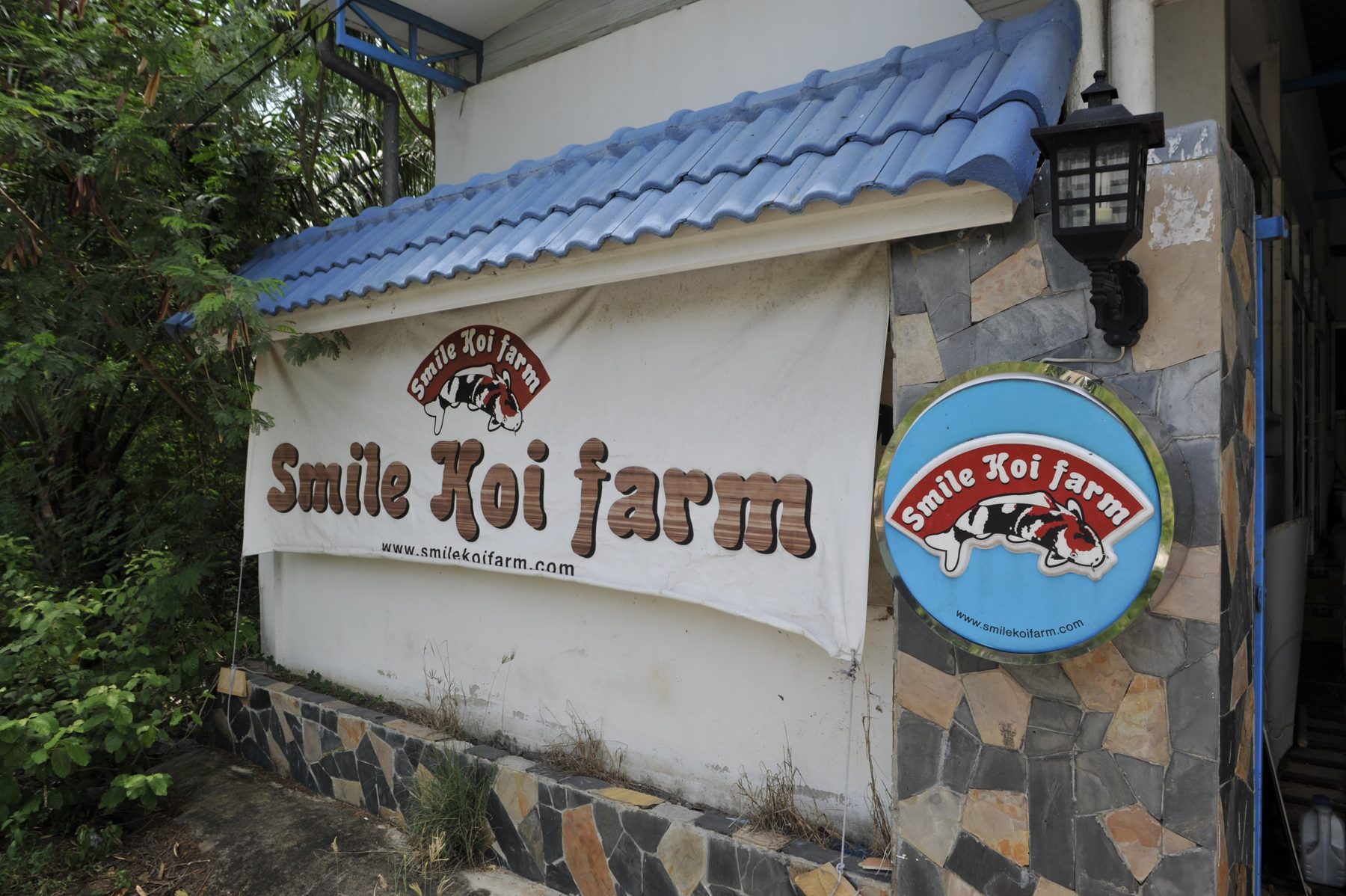
The trip took them to Thai hobbyists of the very highest level: to Tepsit Rojratanadumrong at the Smile Koi Farm and to Nuttawut Phowborom, who has built a huge koi farm in Bangkok. He is chairman of Siam Koi Co., Ltd. and a Shinkokai-certified judge.
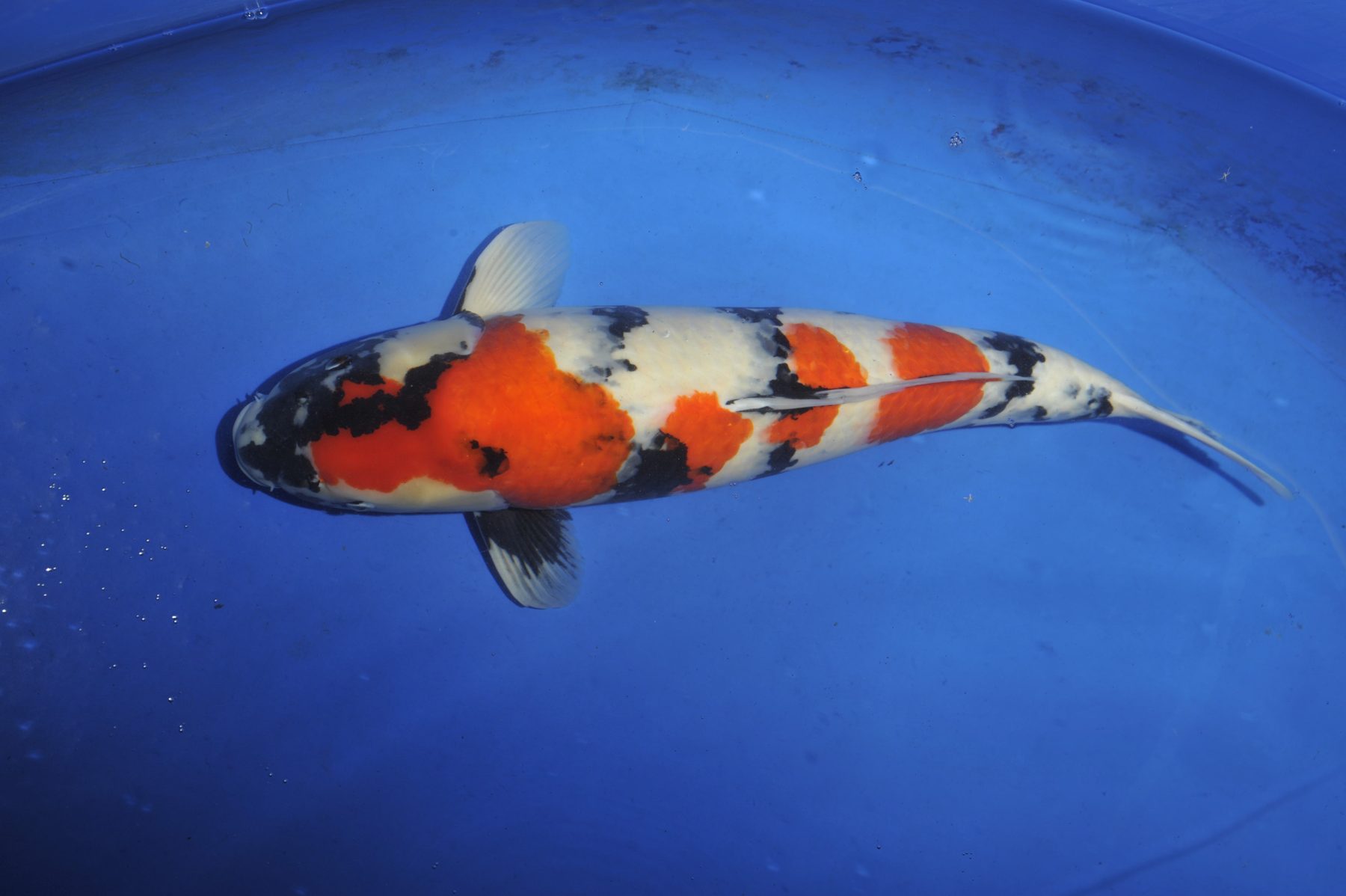
The Smile Koi Farm of Tepsit Rojratanadumrong. At the 39th All Japan Nishikigoi Show in 2008 he won two champion titles at once, Mature and Adult Champion. Thailand, 2010.
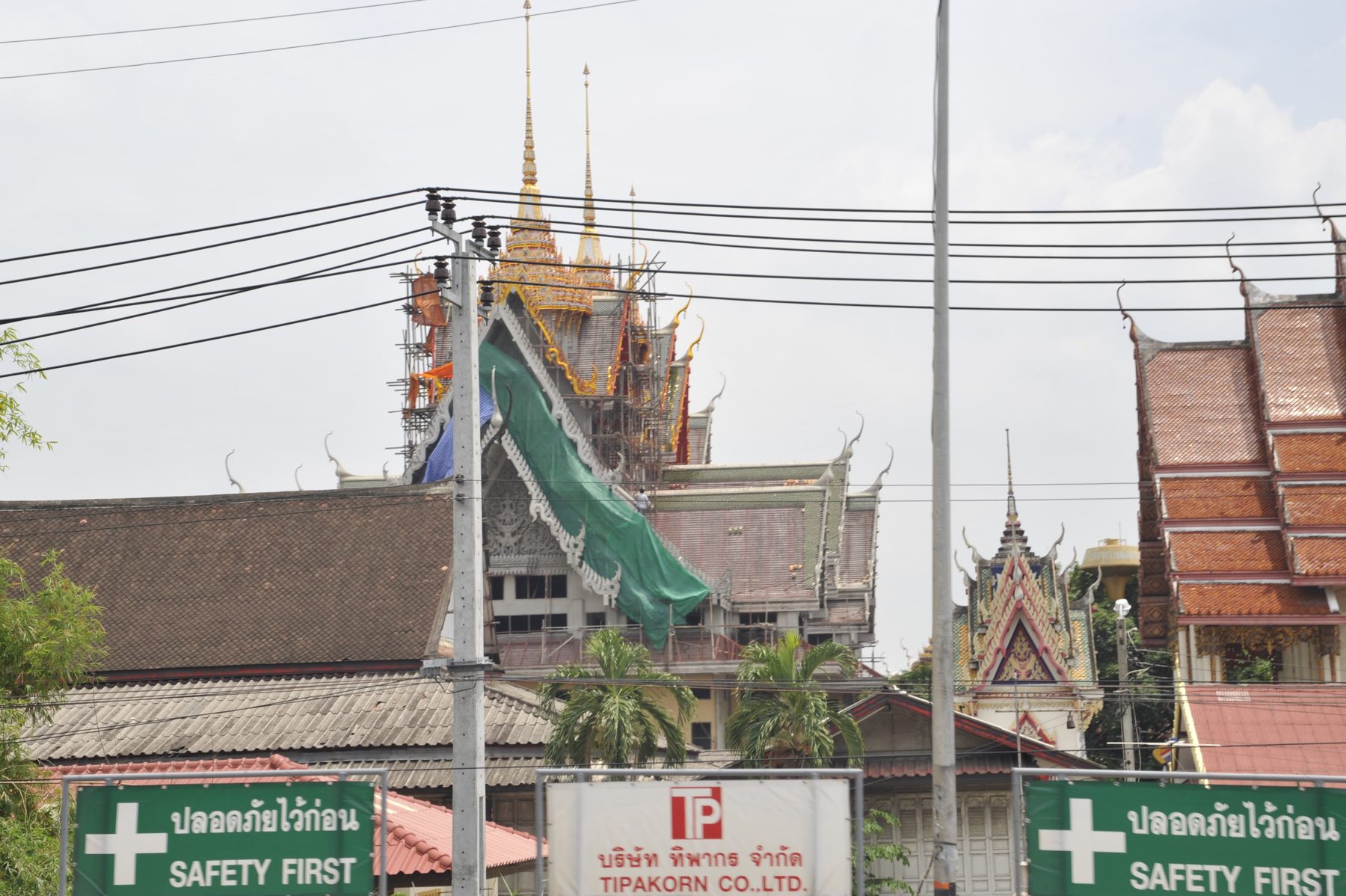
Bangkok, 2010.
Back in Japan, Takehiro wanted me to take over sales for Europe. At the time, we didn't reach an agreement.
50.
All Japan Nishikigoi Show 2019
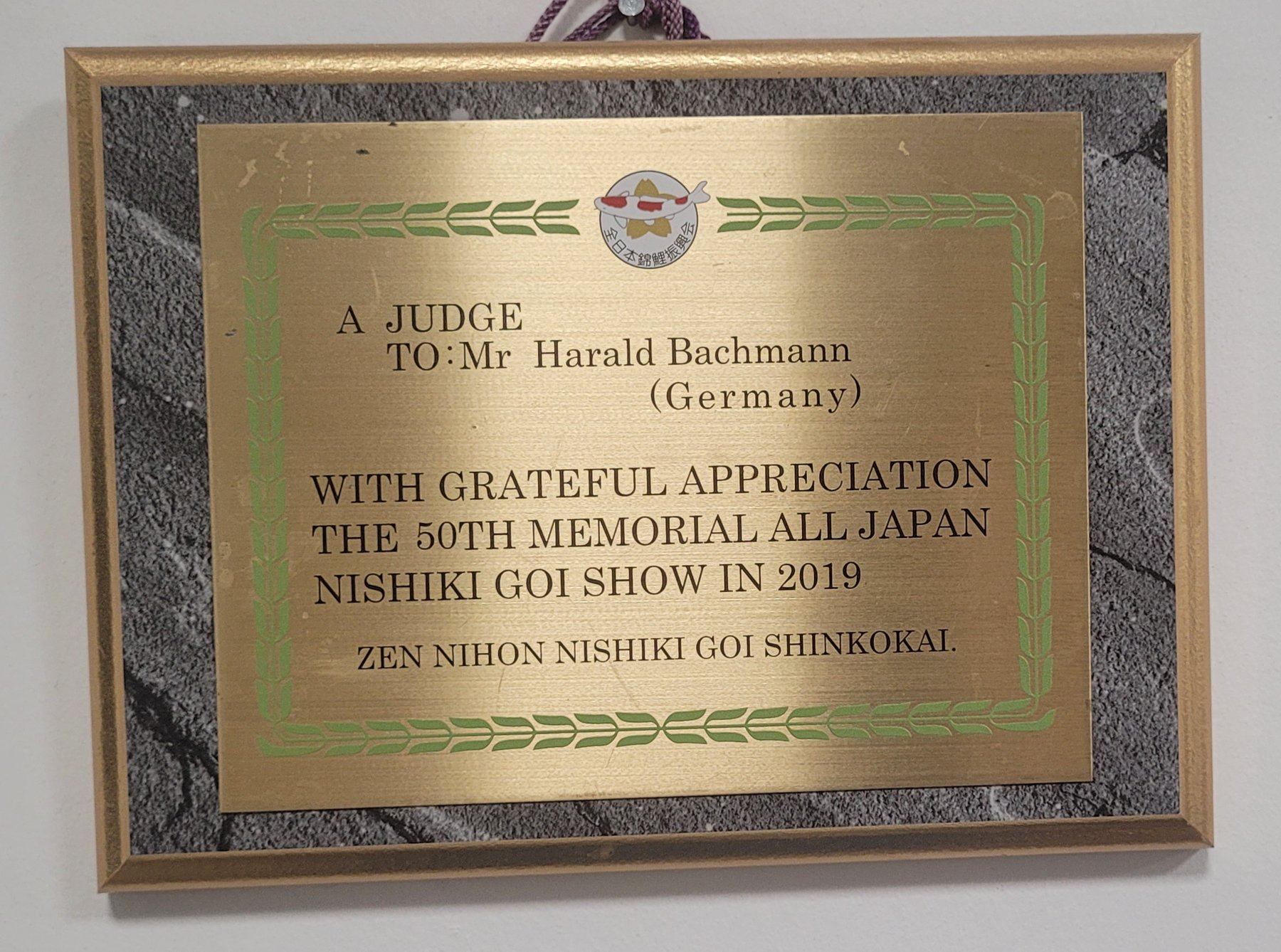
The anniversary show of the Zen Nihon Nishikigoi Shinkokai. I was one of three judges from Europe.
Left: the Shinkokai's honorary plaque for my work as a judge.
Two guarantors
Anyone wishing to become a member of the Shinkokai needs two sponsors. Mine were Dainichi and Torazo. For the 50th All Japan Nishikigoi Show in 2019, I said for the first time that I would like to be a judge. At this anniversary show, every Shinkokai member worldwide wanted to judge. Even so, I was appointed at the first attempt, no ifs or buts.
We have been closely connected with Dainichi since 2011. In 2018, with support from Japan, Dainichi Europe was founded. I select the young fish that grow up with us today in Japan, together with Shigeru Mano.
To provide the best experience, we use technologies such as cookies to store and/or access device information. Consenting to these technologies will allow us to process data such as browsing behaviour or unique IDs on this site. Not consenting or withdrawing consent may adversely affect certain features and functions.
Functional
Always active
The technical storage or access is strictly necessary for the legitimate purpose of enabling the use of a specific service explicitly requested by the subscriber or user, or for the sole purpose of carrying out the transmission of a communication over an electronic communications network.
Preferences
The technical storage or access is necessary for the legitimate purpose of storing preferences that are not requested by the subscriber or user.
Statistics
The technical storage or access that is used exclusively for statistical purposes.The technical storage or access that is used exclusively for anonymous statistical purposes. Without a subpoena, voluntary compliance on the part of your Internet Service Provider, or additional records from a third party, information stored or retrieved for this purpose alone cannot usually be used to identify you.
Marketing
The technical storage or access is required to create user profiles to send advertising, or to track the user on a website or across several websites for similar marketing purposes.
 Deutsch
  Nederlands
  English
  Français