
A key for Masashi
We met through a deal that never came about. What remained was a friendship, and much of what I have learned about Japan.
Masashi Hirao working on a tree, February 2020.
Masashi Hirao is a bonsai master. Anyone who has seen his work once does not forget it easily, and there is even a documentary about him, ‘Bonsai Warrior’ from 2015. To me he is above all a friend from the years when I often spent months at a time in Japan and he made himself at home in Germany, in my flat.
Trees too big for any ship
Around 2012 I was in Japan with a major German designer of Japanese gardens. It was really about koi: we were at Dainichi to buy fish for a German show, the show of the KLAN, the koi lovers of the Lower Rhine. But he had a second question. Could you buy niwaki in Japan, shaped garden trees for Japanese gardens, and bring them to Europe? And did I have the contacts for it?
So we drove to a bonsai village and asked at a garden how you acquire such trees and how they travel. We were quickly referred to a young man who handled the export of bonsai and garden trees: Masashi. I did not know him until then. He came over, introduced himself and drove us round various nurseries, mostly in the Saitama area.
My companion bought considerable quantities, preferably the trees that were almost too big to move at all. Suddenly we were facing questions none of us had asked ourselves beforehand. How do you build a wooden crate around a tree that is twice the size of two shipping containers? How do you keep it cool? Crates like that have to sit on top of the container ship, and then they go across the sea all the way to Europe. A huge amount of special logistics. For China, we were told, something similar had already been done.
Masashi travelled to Germany twice to continue talks with the garden company. The trees stood in Japan, waiting to be shipped. In the end nothing came of it, a lot of wasted effort. But that is how Masashi and I got to know each other very well.
“Sometimes we only saw each other for two or three days. But there was already quite a close friendship between the two of us.”
A key in Pfungstadt
After that we travelled a lot together in Germany. Bonsai clubs invited us, as did bonsai dealers I was friends with, sometimes for open days. Once a Japanese ambassador was there, and so Masashi and I were invited to an evening at the Japanese embassy.
I was a bachelor back then and spent almost half the year in Japan. During that time my flat in Pfungstadt stood empty, not far from Frankfurt airport, and so Masashi got a key. Most of the time he was there exactly when I was in Japan. He stayed overnight in the flat, made himself at home and used it as his hub for Europe. From here he flew to workshops in Spain and Estonia, and across Germany a friend of mine usually drove him, in my car, to the clubs and picked him up again. We actually saw each other rather rarely in those years. It went on like that for a few years, very intensely.
The night at Narita
There is one story I still love to tell. We took a customer who had bought koi and bonsai with us in Japan to Narita airport. It started to snow, and the terminal was full of travellers whose flights were delayed or not leaving at all. Total chaos. We tried to find out whether our customer could fly or needed a hotel, which near the airport would have been hopeless. Luckily his flight did leave in the end, three or four hours late.
Then we set off back to Saitama, where our hotel was. The train kept stopping; at every level crossing it had to wait until the control centre let it continue. I wanted to get off, go and eat somewhere and catch the next train. Masashi, though, was thrilled to be stuck on the train. Now, he said more or less, we are forging the story we can tell our grandchildren. I laughed a lot.
Tatemae and honne
There is something very Japanese about that night. Japanese has two terms that explain a great deal. Tatemae is the side you show to the outside world: the friendly, harmonious behaviour that a relationship and a situation call for. Honne is what you really think and feel, and you usually show that only to very close confidants.
In business life especially, it is part of the deal to let closeness develop deliberately: evenings together, a visit to an onsen, a difficult situation you get through together and can tell stories about later. Anyone new to Japan can easily mistake this for deep friendship. I had known this pattern from the koi world for a long time, but with Masashi I saw it particularly clearly. He was younger than most of my Japanese business partners, more open and less practised, and so with him you could read how such relationships are built.
The remarkable thing is that between the two of us it became more after all. You do not give a business partner the key to your flat. And it was Masashi, too, who taught me a lot of Japanese. In our conversations, which were mostly in English, he kept slipping in how you would say something in a typically Japanese way, which set phrase belongs where and what it means. He was very keen that you did not just chat, but took something away every time.
Bonsai with techno
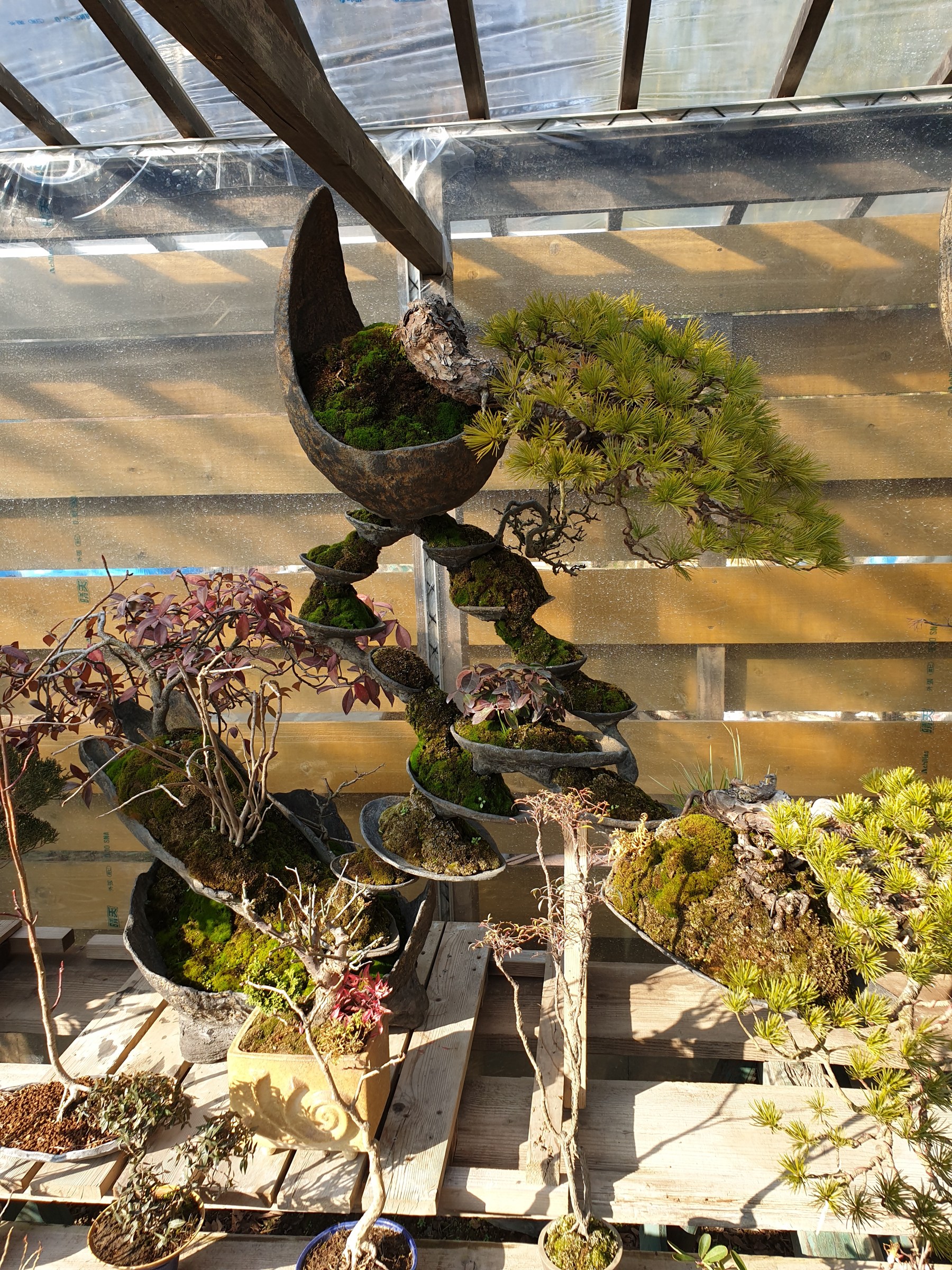
Masashi's style is highly individual, a path entirely his own. I myself lean more towards traditional bonsai styling, and he certainly masters that as well. What I admire in him is something else: he connects a very old art with the present. At his demonstrations he styles trees to techno, club and house music, sometimes with live musicians playing traditional Japanese instruments. He never loses the thread to tradition, and the whole thing is of a high artistic standard.
That is how he reaches people who would otherwise have little interest in bonsai, young people in particular. He shows that an old art need not be dusty. That is exactly what I wish for koi too: that young, curious people discover how exciting this hobby can be.
Saitama, February 2020
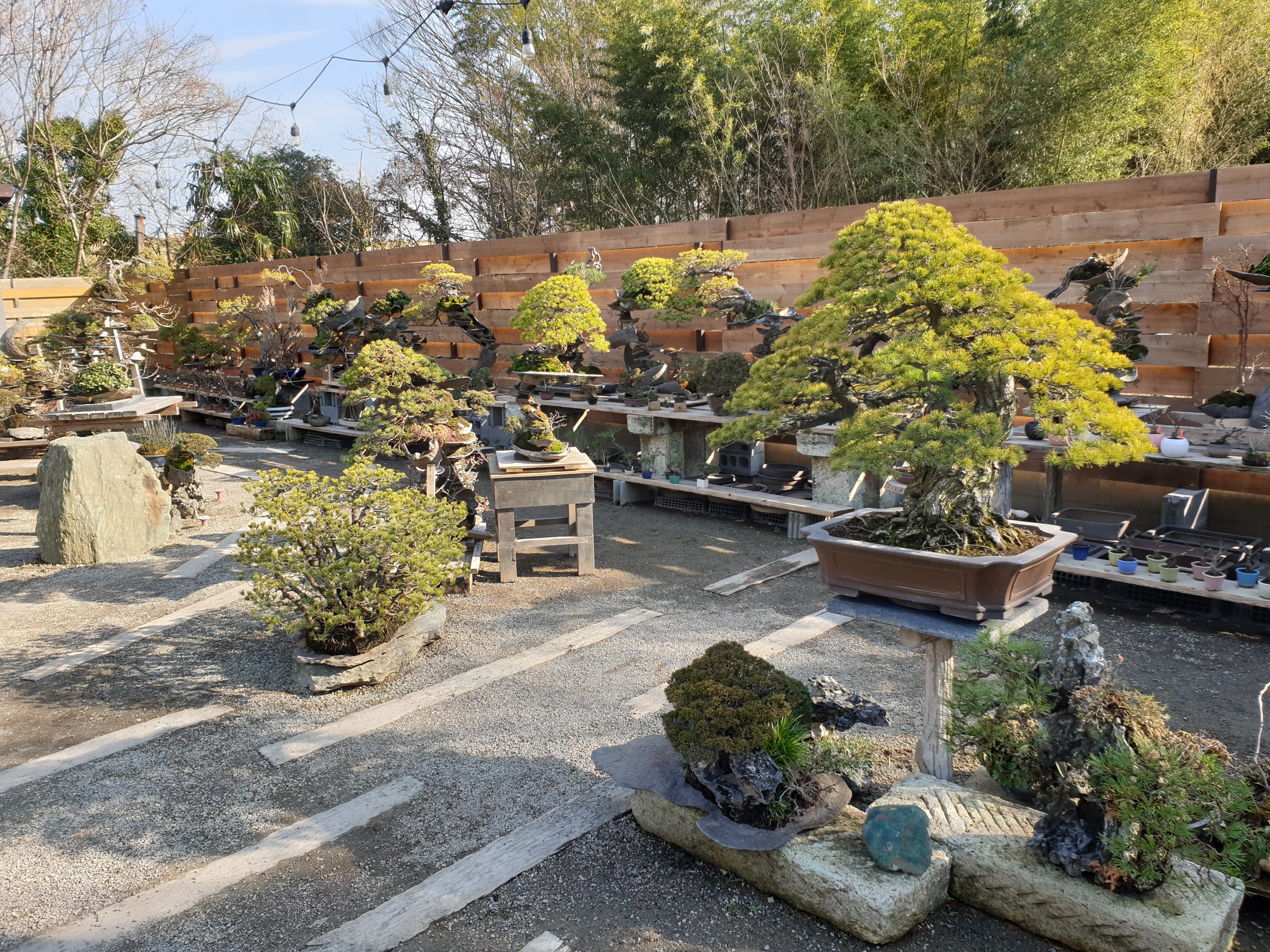
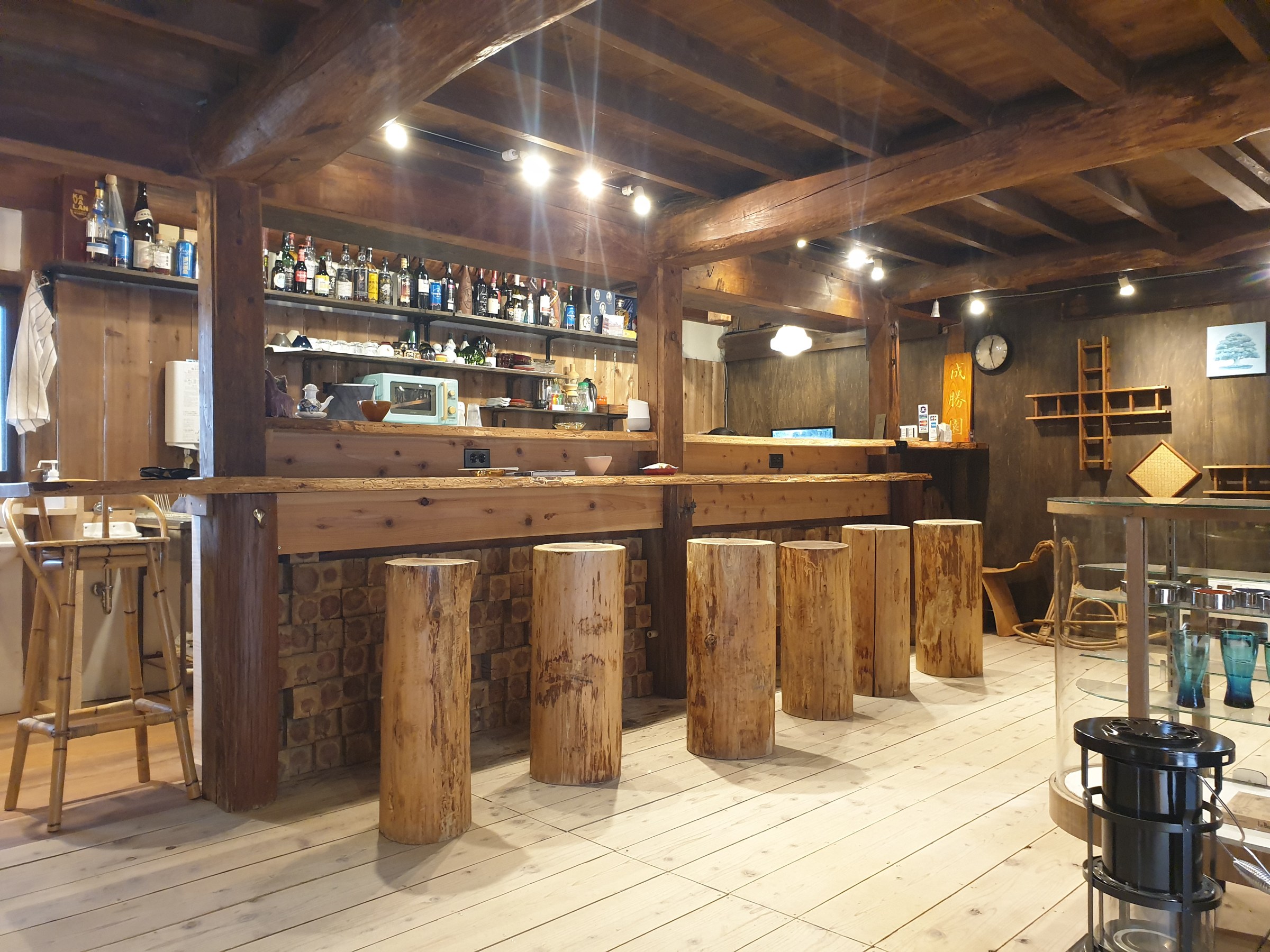
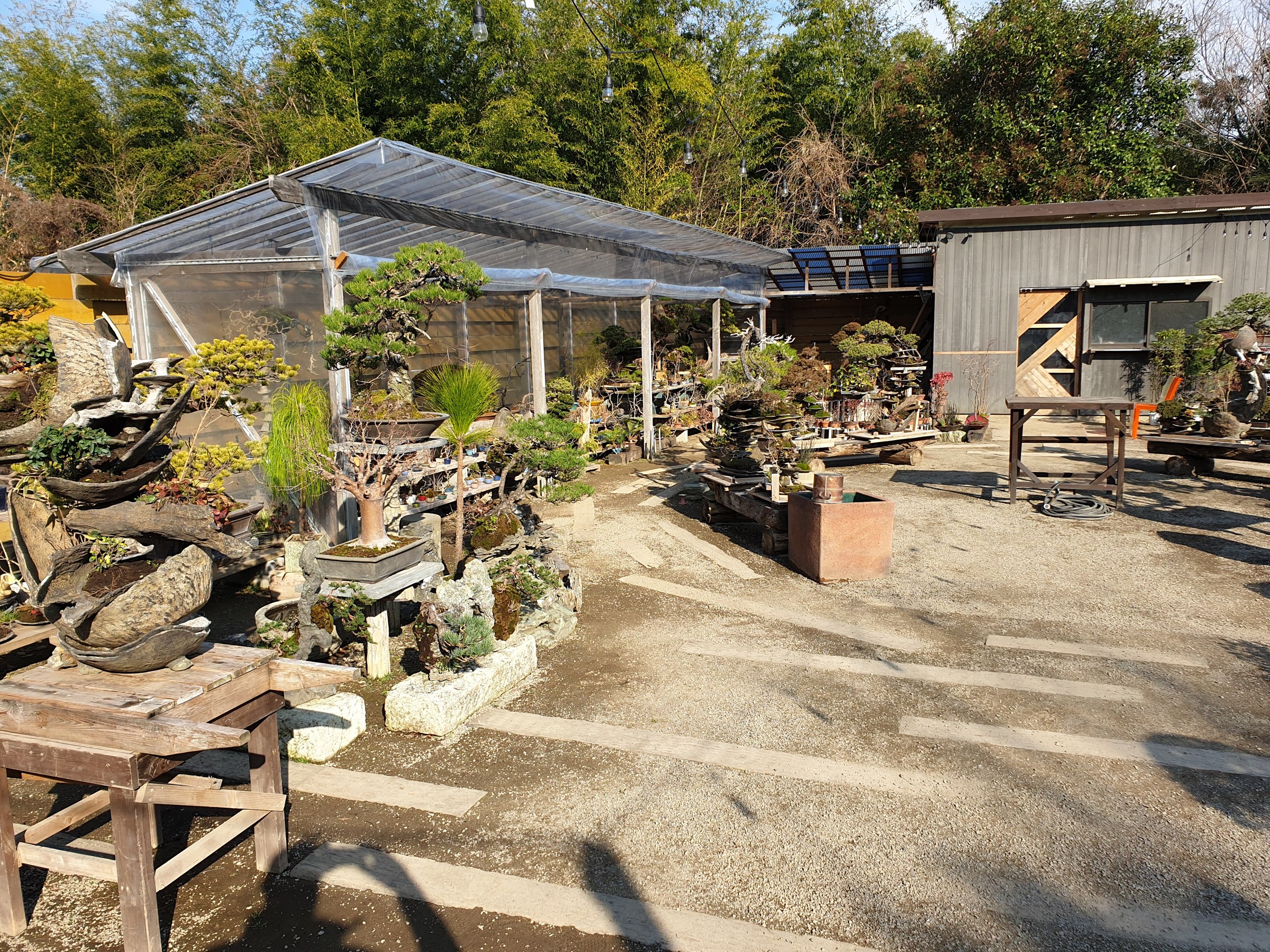
We last saw each other in February 2020, shortly before Covid, at his own nursery in Saitama. A bonsai dealer from Mecklenburg-Western Pomerania had asked me whether I could open a door for him to buy bonsai in Japan, and so I visited Masashi. He was fully booked for the months ahead, because the Olympic Games in Tokyo were just around the corner and he was to demonstrate bonsai at many events around the Games. “When the Games are over,” he said, “come to me with your customer, and we'll see what we can make of it.”
Then Covid came. The Games took place without spectators from abroad, and the demonstrations and workshops were cancelled. I felt very, very sorry for Masashi, who I believe had hoped for a great deal from them. My regular trips to Japan stopped as well, and with them our contact broke off.
His work stays with me all the same. On the first page of this magazine stands his tree in its pot, as an image of what has fascinated me about Japan from the very beginning: a people who grow trees in pots and apply the same standard to fish.
Visiting Masashi
If you are travelling to Japan and would like to see Masashi's work with your own eyes: his bonsai garden, Seishōen, is in Saitama, not far from Tokyo. Visits are by prior appointment only.
How it all began
Why bonsai and koi fascinate me in equal measure is something I tell at the start of our magazine.
 Deutsch
 Nederlands
 English
 Français
 Italiano